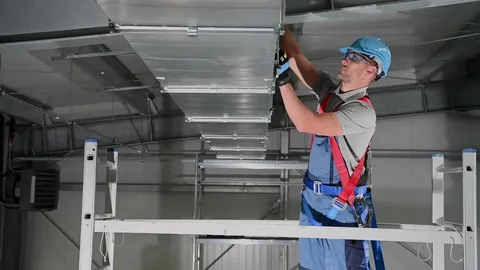
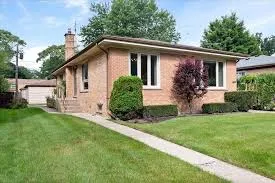
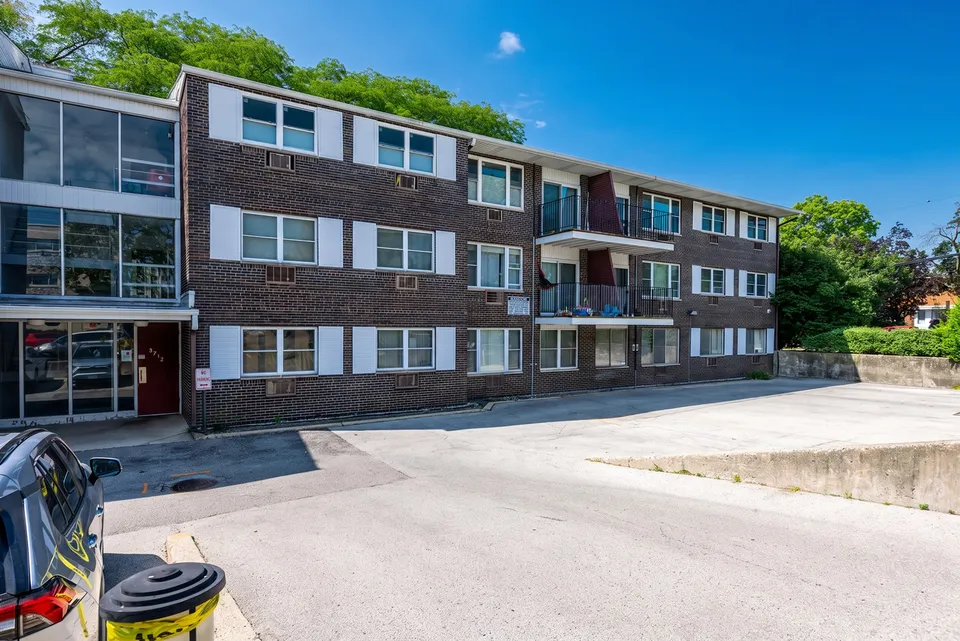
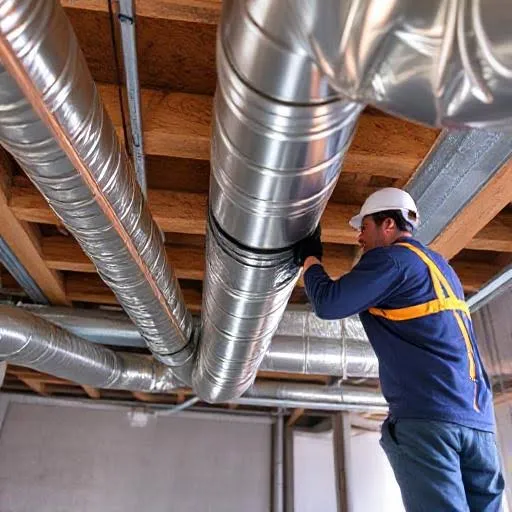
Most North Shore communities got their start a century before central air was common, and Highland Park is no exception. Steam and hot-water radiators heated these homes originally; the ductwork arrived later, squeezed in during remodels and additions. That history shows up in the air you breathe. Retrofit lines take awkward turns, collect debris in low spots no vacuum wand reaches from a hallway, and share walls with attics that shed insulation fibers into unsealed seams.
Lake Michigan shapes the other half of the problem. Homes in Ravinia and along the shore ride months of humidity, which turns settled dust into a tacky film that clings to duct walls and feeds a musty smell through the supply registers. Inland blocks near Skokie River lowlands deal with spring groundwater dampness in crawl-space returns instead. Either way, the cycle is familiar: the whole house smells faintly of the basement, dust reappears within days of cleaning, and someone upstairs is always congested. A filter change treats none of it, because the buildup lives downstream of the filter.
On this page: What we clean · Local problems we solve · FAQ
We map before we clean
Older homes rarely come with honest duct drawings, so we build our own on the spot: tracing each trunk line, noting where a 1970s addition ties into a 1920s trunk, and counting every return — including the painted-over ones behind bookcases that previous owners forgot. Your written scope reflects that reality. If a branch runs through an unconditioned garage or drops down a kitchen chase, it's on the list, priced in, and cleaned like the rest.
Respect for a finished home
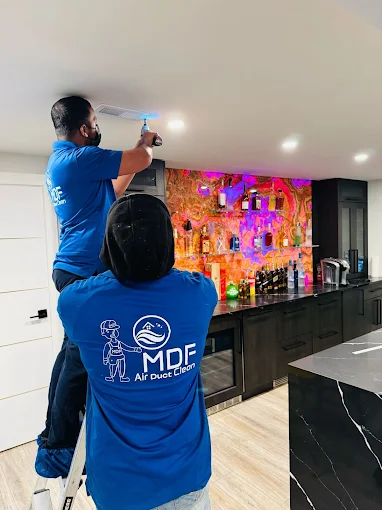
Homes here often carry original woodwork, wallpaper and built-ins that can't be replaced. We plan the work path around them — floor runners from door to equipment, padded corner protection on narrow stair turns, registers washed and re-seated carefully in older ceilings. Crews work in socks over booties in finished areas, and we schedule around your household rhythm, including early starts if you'd rather we be gone by afternoon.
Evidence instead of promises
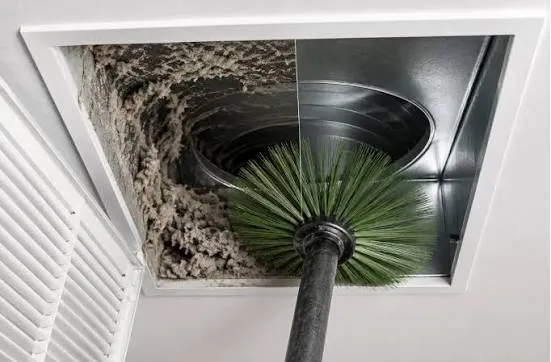
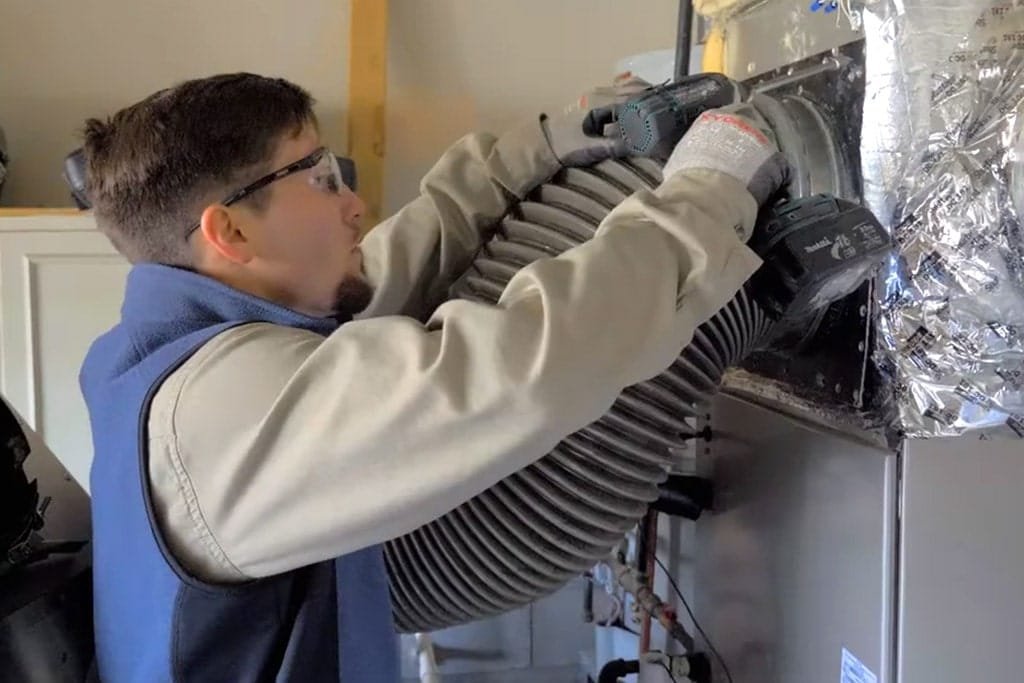
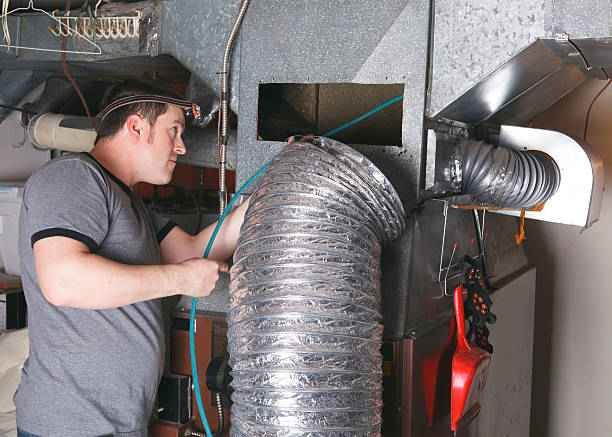
The camera is what separates a real cleaning from a receipt. You'll watch the first pass — the matted lint, the construction grit, the seam leakage pulling attic fibers — and then the second pass, when those same lines show bare metal. Anything we notice beyond dust, like a crushed flex run or a rusted-out pan under a humidifier, gets its own clip and a plain-language explanation. No upsell theater, no mystery findings.
 01 · Added-on ducts