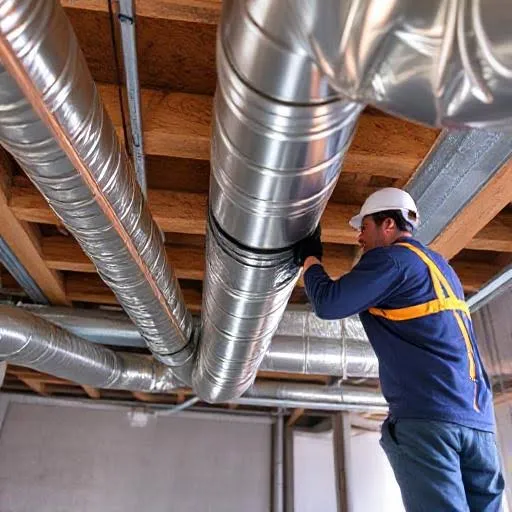
Many Wheaton homes have laundry rooms in places that make dryer vents hard to keep clean. A lot of the two-story houses built from the 1970s to the 2000s moved the laundry upstairs or to a center hallway, so the vent may run 20 to 35 feet through joists and walls, with several bends, before it reaches the roof or a side wall. Lint collects in every one of those bends.
Older homes near downtown Wheaton and Main Street often still use a basement dryer with foil or plastic flex hose and a small wall cap on the rim joist. Every winter, DuPage County snow and ice can cover low wall hoods, and birds like to nest in roof vents in spring. When air can't get out, the dryer runs hotter and longer. That wastes energy, wears out the dryer, and creates a real lint fire risk.
Jump to: What we clean · Common Wheaton problems · Service area
See what's really inside your dryer vent
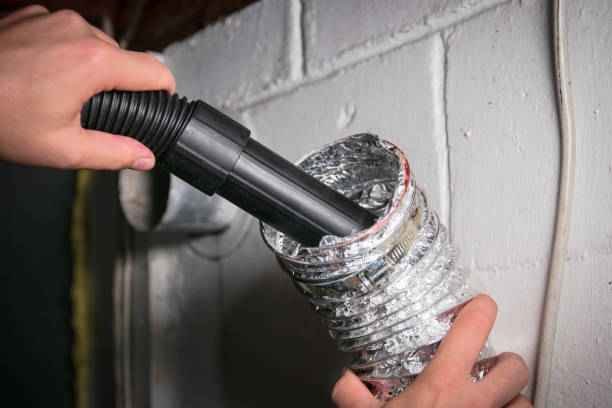
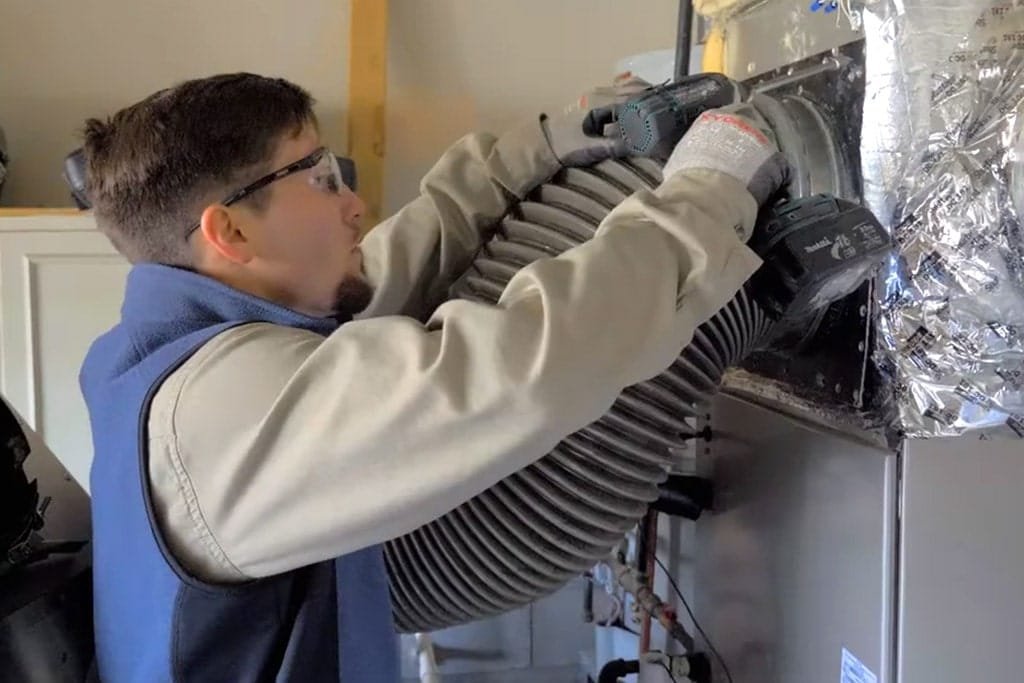
Before we clean, we check the airflow at the outside hood and look inside the line. You'll see how much lint is there and where it's stuck, such as a crushed hose behind the dryer, a sagging run in the ceiling, or a clogged roof cap. After the cleaning, we test the airflow again so you can feel the difference.
Dryer vent cleaning for long and hard-to-reach runs
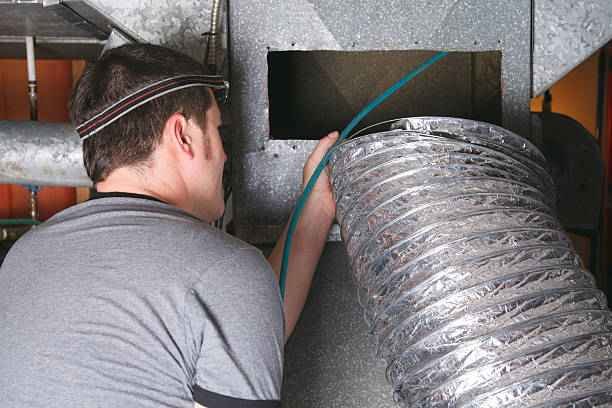
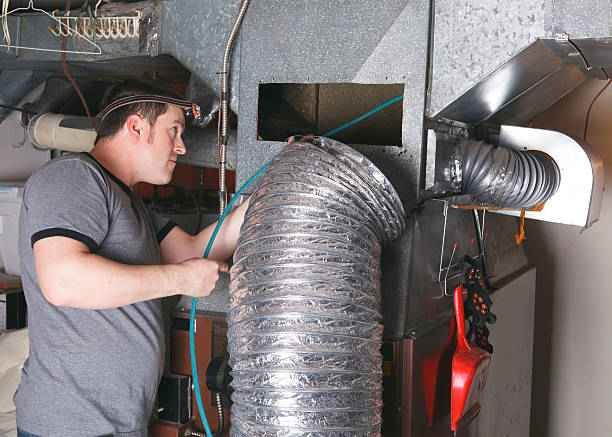
Long vent lines in Wheaton's two-story homes need more than a quick brush through the back of the dryer. We use rotary brushes and high-powered air tools sized for 4-inch dryer duct, and we clean from both ends when the run is long. For roof vents, we clear the cap and remove nests and screens that trap lint. If we find foil hose, loose joints or a broken flap, we show you and explain your options.
One fixed price for your dryer vent
You get one price that covers the transition hose, the full vent line, the outside hood or roof cap, and the lint trap area. We agree on it before we start, and the price stays the same.
 01 · Slow drying